
An in-depth examination of Jueteng, a traditional numbers game with deep roots in Filipino culture and its implications for society.
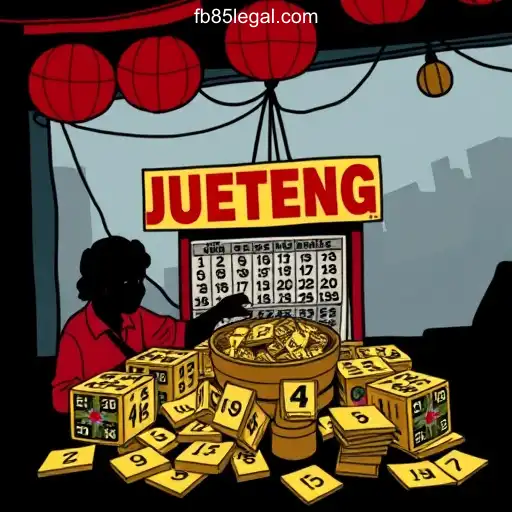
Understanding Jueteng: A Cultural and Social Phenomenon
Jueteng is a form of illegal numbers game in the Philippines that has been a persistent part of the country's socio-cultural fabric. Predominantly operated in rural areas, it continues to thrive despite numerous governmental efforts to curb its operations. This game taps into the hope and dreams of many Filipinos who are seeking fortune and luck, reflecting broader societal issues present in the country.
The Origins and Mechanics of Jueteng
Historically, Jueteng can be traced back to the Spanish colonial era, illustrating its deep-rooted presence in Filipino culture. The name 'Jueteng' is derived from the Chinese words "huier" and "tong," meaning "flower" and "set." The game is simple: players select a combination of numbers ranging from 1 to 37, and these numbers are drawn twice daily. The allure of potentially substantial payouts, relative to the small bets, drives its popularity.
Typically, 'kubradors' or collectors roam the streets to collect bets from players, while 'cobradors' ensure the earnings are faithfully transported to the 'jueteng lords,' the game's main operators. Despite its illegality, Jueteng has become an economic lifeline for many, providing jobs and supporting small communities.
Jueteng's Economic and Social Impacts
The impact of Jueteng on society is multifaceted. On the one hand, it offers economic opportunities for those involved in its operations, providing a livelihood for individuals such as collectors and operators. On the other hand, its illegality brings about significant issues pertaining to governance and law enforcement.
One of the critical concerns is its entanglement with corruption. Government officials are often implicated in Jueteng scandals, receiving bribes to turn a blind eye to its operations. This corruption undermines governance and erodes public trust in institutions. Furthermore, the proceeds from Jueteng are sometimes used to fund local political campaigns, cementing its influence in the political landscape.
The Role of Law Enforcement and Governance
Efforts to eradicate Jueteng have been met with varying degrees of success. Periodic crackdowns, arrests, and fines have been ineffective in eliminating the game, primarily due to its endurance and adaptability. Some argue that legalizing and regulating Jueteng could mitigate the negative impacts while ensuring game proceeds are used for public good. However, attempts at legalization face pushback from sectors wary of legitimizing gambling's potential social detriments.
Comparisons with Legal Online Casinos
In contrast, legal online casinos such as fb85 Oficial 💯️ - O melhor cassino online do Brasil provide regulated environments for gambling, offering transparency and security for their players. These platforms are designed to comply with regulations, ensuring fair play and responsible gaming, a stark difference from the clandestine operations of Jueteng.
For those looking to engage in gambling activities, platforms like fb85 Oficial, with their commitment to ethical standards, offer a more secure alternative. They demonstrate how legally structured gambling can coexist with public interest while minimizing social harm.
The Future of Jueteng and Its Continued Relevance
The future of Jueteng remains uncertain, as discussions continue surrounding its potential legalization versus ongoing efforts to suppress its activities. What is clear, however, is that its permanence in the socio-economic landscape of the Philippines is not just a reflection of economic necessity but represents deeper cultural and historical ties. Understanding these facets is crucial for those examining the extensive realm of gambling and its various societal impacts.